The Row 90s Bag Story New Collection

The Row: A Brief History at its Olsen Twins Understated Luxury Fashion Line

Mary-Kate and Ashley Olsen did not set out to become the reigning architects of quiet luxury when they founded The Row in 2006. The label emerged from a personal frustration: the twins, already veterans of the entertainment industry since childhood, wanted a white t-shirt that actually fit well and lasted. That search for the perfect basic became the founding principle of a brand that now sits at the top of the fashion hierarchy, commanding prices and waitlists that rival houses with a century more history behind them.

The title itself stands as a quiet joke and a serious homage. The brand’s name and guiding spirit were inherited from Savile Row, the London street linked with bespoke tailoring.. Precision, restraint, and craftsmanship over logos or seasonal noise. Almost two decades on, that founding idea has not wavered, despite the fact that the brand has branched out into ready-to-wear, footwear, and the accessories category that many credit with building its cult status: the row bags.

How Simple Essentials Grew into a Billion-Dollar-Class Style Signature

At the outset, The Row stayed understated on purpose.
Accessories, outerwear, and tailoring in time came later, though the Olsens first centered their efforts on t-shirts and cashmere, patiently building a wardrobe of essentials.
The brand’s industry standing had grown substantial as the early 2010s came around: winning the CFDA’s Womenswear Designer of the Year award in 2012 was an uncommon accolade for a label still in its infancy, confirming that the industry now saw the sisters as designers in their own right, rather than celebrities running a side project.

What marked out The Row from other celebrity-launched labels was an unwillingness to run after trends. While much of fashion in the 2010s leaned into logomania and maximalism, The Row moved in the opposite direction. Muted palettes, exceptional fabrics, and silhouettes that prioritized fit over flash became the brand’s signature. Today, “quiet luxury” describes precisely this kind of restraint, and it is The Row that is broadly recognized as the brand that defined the look before it had a view collection name.

The brand’s pricing has from the outset lived up to the ambition. The ready-to-wear line frequently climb into the four-figure-plus territory, and the leather pieces from the label sit solidly in the upper four-figure bracket or beyond. From the earliest days, this was a calculated positioning — the Olsens intended for The Row to go head-to-head with Hermès and Céline, not with contemporary or diffusion lines. Almost two decades on, that parallel has become entirely plausible.

The Way The Row Bags Took Over

Its reputation may have been built on ready-to-wear, but it was the bags that morphed it into a sweeping cultural obsession. These handbags from the row occupy a strange and enviable position in the market: at once they are minimalist to the point of anonymity and immediately identifiable to those fluent in fashion. There is no visible logo on most styles, nothing in the fittings that announces itself. In its place, recognition comes from silhouette, scale, and the particular drape of the leather.

Among the row bags, a handful of styles have achieved a near-cult reputation. Margaux, with its slouchy, unstructured silhouette and distinctive side pleats, became one of the most searched bags in fashion the moment it was seen on Mary-Kate Olsen’s own arm. Shoppers researching where to buy The Row Margaux bag quickly find out that stock is scarce and resale prices often exceed retail, plain evidence that demand has outrun supply. Multiple size and leather options exist for the bag, and every version has its own wait time depending on the season and retailer.

The tote from The Row remains another anchor point of the lineup, valued for its build that balances structure with softness and its capacity to go from photo sets to daily use without seeming mismatched in either setting. The Row’s totes tend to prioritize simple silhouettes and understated fittings, driving home the brand’s larger philosophy that a bag should be judged on material and construction rather than branding.

For those compiling a row bags overview ahead of a purchase, it helps to recognize that the brand structures its accessories differently from the way the majority of fashion houses tend to. The label avoids anointing one “it bag” per season. Instead, a rotating set of standout row bags — Margaux, Sofia, Ascot, and a few others — get periodic revisions in colorway and size while holding onto their original shape for years at a time. It’s a deliberate choice. The brand intends for its bags to act as investment pieces, not fleeting seasonal purchases.

Why Craftsmanship Drives the Sell

Every conversation about The Row eventually returns to materials. Leather is sourced from elite European tanneries and partners with ateliers focused on handbag-making, often the same facilities used by long-established luxury houses. This helps explain why the row bag category sits at such elevated price points — the leather itself, before any labor is factored in, represents a significant cost.

The finer points of construction make an enormous difference here. Stitching done by hand, seam lines kept to a minimum, and fittings that are often custom-made rather than catalog-sourced all contribute to a end result that reads as markedly different from assembly-line luxury products. Those who’ve compared a Margaux side by side with a similar bag from a more logo-centric house often note the leather’s weight and softness as the quickest tell of quality.

This dedication to superior materials extends to ready-to-wear as well, featuring region-specific cashmere and wool blends co-developed with mills in Italy solidify the brand’s elevated market position. The outcome is a lineup where consistent quality control shows up regardless of category, be it a coat, a shoe, or one of the row handbags.

Finding Your Way Through a The Row’s Sale Events and Resale Value

Markdowns from The Row are rare, and when a row sale does appear, it is usually limited in scope compared to the steeper price cuts other luxury houses typically offer. Because the label controls distribution tightly and produces in relatively limited quantities, oversupply rarely happens, which means there is less inventory that needs to be discounted at season’s end. Those wanting a meaningful price reduction may have to wait on select multi-brand retailers to hold their own promotions, rather than counting on discounts straight from The Row.

This scarcity has an interesting side effect: strong resale value. Certain bags, particularly the Margaux, have been known to hold or exceed their original retail price on the secondary market. That’s rare in the fashion world, where the majority of bags lose value the instant they leave the shop. This also accounts for why so many buyers view a purchase from The Row as a long-term investment instead of a passing seasonal treat.

For shoppers specifically on the hunt for a row sale, staying patient and persistent tends to pay off better than rushing. Following authorized stockists and signing up for notifications from department stores that carry The Row fashion line is generally more productive than expecting frequent promotions from the brand’s own channels.

Weighing Up The Row’s Iconic Bag Styles

Grasping the distinctions among the top row bags makes it easier to see which style fits a particular lifestyle or budget. The table below offers a general comparison based on publicly known characteristics of each style’s design intent, without attaching specific prices that vary by retailer, region, and season.

Style of Bag Silhouette Best Suited For Fittings Style
Margaux Relaxed, loosely shaped tote Everyday carry, editorial styling Understated, tone-matched
The Row Tote Bag (classic) Structured, boxy Office use, travel, dressier occasions Subtle metallic details
Sofia Petite shoulder-carry bag Evening or minimal daily essentials Concealed clasp
Ascot Architectural top-handle Professional settings, formal events Sculpted handle, without visible branding

This kind of row bags overview is useful for narrowing down a first purchase, especially for shoppers new to the brand who may feel overwhelmed by how similar the silhouettes can appear at first glance. The differences, while subtle, are meaningful once a bag is in hand.

The Row en 2026, un bilan de son parcours à ce jour

Approaching 2026, The Row gives no indication of softening its dominance of the understated-luxury discourse. The brand keeps showing at Paris Fashion Week, a calculated decision that aligns it with the most long-standing European houses instead of among American peers. Decided years back, this move has borne fruit when it comes to critical respect and market positioning.

Distribution remains intentionally narrow. The Row is sold through its own flagship boutiques and a short list of authorized luxury retailers, a strategy that keeps inventory tight and demand high. Shoppers researching where to buy The Row Margaux bag in 2026 will find that authorized stockists remain the safest route, both for authenticity guarantees and for any future resale value the bag might carry.

The label’s influence on the broader fashion industry is at this stage hard to overstate. Ever since 2006, The Row has maintained a reliability that hardly any of the numerous houses attempting to replicate its formula — muted colors, superior material, logo-free design — have kept pace with. For those building a wardrobe based on lasting value rather than passing trends, the label stands as one of the strongest examples that minimalism, when well-executed, can be its own form of indulgence.
Read More

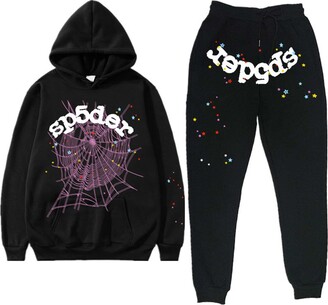
Sp5der Hoodie 555 The Hoodie Youll Never Want to Take Off Spider® Store

Ways to Recognize an Imitation Sp5der Hoodie: The Complete Authenticity Manual

The Sp5der hoodie has a serious fake problem, and in 2026 it is bigger than ever. As the brand’s resale prices have risen and its brand prestige has expanded, a booming underground economy has developed dedicated to producing fake spider hoodies that seem legitimate enough — in photographs at least — to deceive buyers who haven’t learned what the telltale signs are. These fakes vary from comically poor imitations that nobody who has seen a genuine Sp5der hoodie would be deceived by, to high-quality replicas that require careful, hands-on examination to differentiate from authentic hoodies. This checklist walks through every verification point shoppers should check, from fabric weight and craftsmanship to tag typography and print accuracy. Whether you’re buying from a resale platform, inspecting a pre-owned piece, or just needing to authenticate that the hoodie you already possess is genuine, these techniques will equip you with the knowledge to verify your piece confidently. Being informed is your greatest weapon against fake Sp5der pieces, and the checkpoints outlined here are what separates genuine Sp5der quality from the fakes.

Examine the Fabric Weight and Feel and Texture as Your First Step

The very first thing to do when evaluating a potentially authentic Sp5der hoodie is feel the fabric, because genuine pieces use a heavyweight cotton fleece that fakes almost always fail to copy faithfully. A genuine Sp5der hoodie will feel heavy and solid in your hands — the kind of weight that makes the garment seem authentically luxurious rather than cheap. Most fakes use lighter-weight synthetic fleece that has a noticeably lighter feel, frequently featuring a somewhat plasticky hand feel that is instantly detectable to anyone who has handled a real Sp5der garment. The inner brushed surface of an authentic Sp5der hoodie is uniformly soft and even, with no uneven areas, white sp5der hoodie irregular brushing, or areas where the brushing thins out. Counterfeit Sp5der pieces often feature a polyester-heavy fleece rather than the cotton-dominant composition of authentic hoodies, and this artificial fiber content is identifiable both by hand feel and by the way the fabric catches light slightly differently than natural cotton. Squeeze the wrist cuff of the hoodie between your fingers and watch how it responds: genuine Sp5der fabric has sufficient weight to spring back slowly and retain shape, while imitation fleece typically compress easily and feel limp. If you are not able to physically handle the hoodie before purchasing, request zoomed-in fabric images from the seller and look for signs of density in the look and drape of the material.

Examine the Spider Web Print Thoroughly

The spider web design is the most prominent visual element of any Sp5der hoodie and therefore the element that counterfeit producers spend the most time trying to replicating — but thorough checking regularly exposes significant quality gaps. On an authentic Sp5der hoodie, the spider web print has sharp, precise lines with no ink bleeding, fuzzing, or unevenness at the boundaries of the design. The lines of the web keep consistent width across the design, even at intersections and around curved areas where cheaper printing processes frequently cause imperfections. Color saturation on real Sp5der designs is exceptionally high — above all in bright color options like vibrant pink, yellow, or electric blue — and the color is consistent from edge to edge without lighter or darker zones that point to inconsistent ink coverage. Counterfeit Sp5der pieces often show dull, faded colors, inconsistent line widths, and subtle geometric inaccuracies that are subtle but visible to an experienced eye. Graphic positioning is yet another critical checkpoint: on genuine pieces, the web design is positioned in the exact same position relative to the garment’s seams and centerline, while counterfeits frequently display minor but noticeable positioning errors. When reviewing pictures or inspecting the hoodie directly, focus on the web line crossing points — genuine Sp5der hoodies display neat, well-defined crossings, whereas counterfeits frequently show small blobs or inconsistencies at these precision-critical locations.

Examine Crystal Work on Relevant Models

Numerous Sp5der’s most popular and most copied hoodie styles include rhinestone embellishments, and the difference in quality between authentic and fake rhinestone application is among the most obvious ways to verify authenticity available. On real Sp5der garments, rhinestones are set one by one into the fabric using a process that keeps every stone firmly set, precisely positioned, and flush with the surrounding fabric. Run your fingers across the rhinestone portion of an authentic piece and you will notice a consistent, even surface with no raised settings and no loose stones even after repeated wears and washings. Fake spider hoodies generally apply heat-applied rhinestone panels, which are applied as a single unit rather than individually set, and these panels have telling visual traits: subtly elevated borders where the panel meets the material, a rigid feel compared to individually set stones, and a tendency to show peeling or separating edges after just a few wears. The stones on imitation hoodies are frequently visually duller, of smaller dimensions, or less accurately cut than genuine quality gems, yielding reduced sparkle and a cheaper overall appearance. Turning over the fabric of the hoodie at the rhinestone location is just as telling: real one-by-one setting shows tiny, regular anchor points, while iron-on transfers leave a smooth, uniform backing that is obvious right away. Even a single loose stone on a new, unworn hoodie signals a problem, as authentic Sp5der rhinestone work is exceptionally durable.

Examine the Inside Labels and Tags

Inside labels represents a critical verification point because counterfeiters seldom spend adequate time in copying the correct typography, label material, and tag placement of authentic labels. Real Sp5der garments includes clearly printed tags — all letters are defined and evenly printed, with no blurring, pixel artifacts, or inconsistency in font weight. The label material on genuine pieces has a unique hand feel and firmness that is different from the cheap woven or printed labels used on the majority of fakes. Font matters significantly: the particular letter shapes used in the Sp5der brand name have distinctive characteristics that replicas routinely mess up, especially the number “5” which needs to correspond to the label’s established font style exactly. Washing instruction labels on real pieces are placed in a uniform location and use established care symbols and wording that align on every real Sp5der item. Washing tags should indicate a cotton-primary fabric blend reflecting the hoodie’s real material weight — a care label showing mostly synthetic materials on any item sold as real Sp5der is a clear sign of a fake. Fake labels typically lack substance or have minor stitching inconsistencies where they connect to the hoodie, whereas real Sp5der labels are attached with the same quality as the rest of the piece’s craftsmanship.

Authentic vs. Fake Sp5der: Key Comparison at a Glance

Verification Point Real Sp5der Counterfeit Version
Material weight Heavy, dense cotton fleece (380–420 GSM) Light, thin, often synthetic blend
Web design lines Sharp lines, even thickness, precise crossings Blurry edges, uneven strokes, imperfect crossings
Stone setting Individually set, flush with fabric, secure Iron-on panel, lifted borders, peels fast
Print vibrancy Vivid, consistent, edge-to-edge uniformity Dull, patchy, washed-out look
Inside tag quality Sharp font, correct typography, quality material Fuzzy text, incorrect font, poor-quality label
Seam construction Dense, uniform, consistent across the garment Loose, uneven, inconsistent tension
Drawstring metal work Metal eyelets, quality aglets Plastic eyelets, flimsy aglets

Evaluate Stitching and Hardware Across the Garment

Past the print and material, the construction details of a Sp5der hoodie offer important verification data that counterfeiters frequently neglect to save on production costs. Genuine Sp5der stitching is tight and consistent across the entire piece, with stitch counts per inch that demonstrate exceptional manufacturing standards — when you inspect the seams closely, the thread work should be even in size and distance with no stray threads or missed stitches. Reinforced seams at high-stress points like the cuffs, pocket opening, and hemline are a defining feature of genuine hoodies that imitation versions typically leave out choosing instead simpler, cheaper single-stitch construction. Hardware details are one more aspect of separation: the metal holes through which the hood cord runs on a genuine Sp5der hoodie are finished consistently and lie flat against the material, while counterfeit eyelets are frequently made of plastic, imprecisely set, or have inconsistent dimensions. Drawstring tips — the end pieces on the drawstring ends — on real Sp5der garments match the quality and finish of the remaining metal details, while imitations often use low-quality cord tips that seem hollow when touched. Examining the front pocket seam is highly informative, as this stitch runs along an extended run that reveals whether the brand-wide stitching consistency is upheld or breaks down in less visible areas. According to authentication professionals at StockX, examining stitch quality remains one of the most reliable verification techniques for streetwear pieces because it indicates overall manufacturing investment that cannot be easily faked.

Turning to Authentication Professionals in 2026

For shoppers who are still building confidence in their skill in verify Sp5der hoodies independently, paid authentication platforms give a critical backup before investing large amounts. Platforms like the Legit Check App and CheckCheck offer remote authentication services where users submit detailed photos of an item and receive a verdict from professional authenticators within several hours. These services have expanded their Sp5der verification knowledge greatly throughout 2026 as interest has increased, and their success rates for identifying counterfeit Sp5der hoodies are impressive when shoppers send detailed, well-exposed images covering all the critical checkpoints described in this guide. The cost of professional verification — generally ranging from five to twenty dollars — is minimal relative to the price of a genuine Sp5der piece and the money lost by getting a fake. Physical authentication at nearby resale shops that are dedicated to streetwear is a further avenue, particularly useful for shoppers who’ve already obtained a suspicious garment and need a hands-on assessment by a trained professional. Some buyers also rely on crowdsourced opinions — Reddit groups like r/Sp5der and r/streetwear are filled with well-versed fans who are typically willing to evaluate legitimacy photos and provide opinions on legitimacy. Building a network of auth expertise, whether through professional platforms or community involvement, is one of the most valuable steps a serious Sp5der buyer can take in 2026. See more detailed verification content and community conversations at Highsnobiety, which regularly covers fake-product awareness in the streetwear world.

Read More

How to Style Valley Up to 40% Off crafted with care

Vale Forever Analyzed: The Must-Knows

Vale Forever serves as an independent, contemporary streetwear label constructed around premium materials, streamlined design, muted palettes, featuring a signature oversized cut. The brand runs on limited drops, champions slow-fashion principles, and achieves boutique-level craftsmanship with everyday wearability. If you desire clear answers regarding dimensions, prices, authenticity, launch windows, and where to acquire, this guide distills the key facts into practical steps.

The designer’s philosophy is minimalist and future-focused, which manifests through restrained branding, careful fabric selection, and classic cuts that avoid fashion following. Pieces trend roomy with deliberate drape, making the sizing conversation begins around how you want the garment to sit on your frame. Costs range by category and material quality, with tees and caps as entry tiers and outerwear at the high end, especially in small-batch runs. Authenticity relies on construction quality and origin, so buying direct or from verified retailers matters. Understanding the drop cadence and secondary resale dynamics helps you capture the right piece at the right time sans inflated pricing.

How does Vale Forever fit?

Vale Forever gets designed oversized, with eased shoulders, generous body width, and intentional length for clean stacking and drape. True-to-size provides the original slouch; one step smaller tightens the cut without turning it slim.

Across tees, sweatshirts, and many lower pieces, the core cut reads as roomy versus boxy-for-the-sake-of-boxy. Shoulders tend to drop slightly, sleeves provide comfortable volume, while hems sit balanced making the garment layers well without billowing. If you prefer a classic streetwear style with air between your frame and the cloth, stay with your usual size. If you want a closer line but still looks modern, try sizing down one level. For athletes or broader builds, true-to-size usually hits the proportion while keeping mobility through torso and back.

Understanding the cut and drape

The key to Vale’s silhouette is controlled volume: wider chest, generous shoulders, and enough length facilitating layer without gathering. Fabrics are usually substantial jersey or premium fleece, which hold shape and create clean draping lines.

That combination creates a garment hangs over clings, and it prevents twisting or losing shape after wash. Ribbing on cuffs and hems contains the extra volume making the fit appears valleydreamshoodie.com structured-relaxed instead of sloppy. On pants, expect a straight or subtly tapered leg with ease around the thigh; for upper layers, a slightly longer back hem enables the stack over base pieces. If you’re wearing beneath outerwear, the generous cut accommodates a hoodie under a coach jacket minus fighting the arm openings. The net result is a consistent aesthetic approach across categories, thus easing your sizing choices after you’ve tried one key piece.

How should you size yourself for Vale items?

Measure your upper torso, shoulder width, sleeve distance, waist, and inseam through a soft measuring tape, then compare against a favorite garment which works how you want Vale to fit. Take those garment-on-garment numbers to pick the label size instead than relying just on body measurements.

Lay your perfect tee or hoodie flat then take pit-to-pit, shoulder junction to shoulder seam, and back distance from high point of shoulder. For pants, measure waist flat across, thigh at one inch down from rise, knee at center, hem opening, plus inseam. Translate flat numbers to circumference where necessary via doubling them, then compare to Vale’s listing page specs when posted. If a item you love is slimmer than Vale’s oversized framework, decide whether to go down or welcome the intended drape. Having a note on your mobile with your own clothing measurements speeds coming decisions during quick drops.

Sizing quick-reference table for Vale’s oversized block

Use this reference as a starting baseline; it aligns typical body and garment choices alongside Vale’s relaxed design. Choose based from your usual mainstream size along with the silhouette you want.

Body Chest (in./cm) Usual Size (regular) Preferred Fit Suggested Vale Sizing Notes
34–36 in / 86–91cm XS–S Original oversized S Roomy drape without drowning smaller frames.
36–38 in / 91–97 cm S Sharper, closer look XS Size down one achieving a neater line in tees and sweatshirts.
38–40 in / 97–102 cm M Original oversized M Maintain shoulder drop and arm volume as designed.
40–42 in / 102–107 cm L Normal, less slouch M Down one if you want a cleaner hoodie fit.
42–44 in / 107–112cm L–XL Brand-intended oversized L Stay TTS for wearing over hoodies.
44–47 in / 112–119cm XL–XXL Regular, less slouch XL Down one to refine up body width and keeping length.

If you sit between sizes, let fabric weight decide: heavier fleece appears bulkier, so choosing the lower of those two sizes keeps silhouette controlled. For bottoms, try true-to-waist for a relaxed seat and thigh; adjust using drawcords for minor adjustments instead of sizing down two sizes, which will distort rise and drape.

What are the usual prices and what drives them?

Expect tees to price in the premium independent bracket, hoodies and crewnecks in the low-to-middle hundreds, and outerwear higher because to fabric and make. Accessories and hats position lowest, while limited-run or specialty fabric releases sit at the top end.

Across recent releases from Vale Forever and similar boutique streetwear labels, tees commonly exceed mass-market basics, indicating substantial jersey and enhanced dye or print techniques. Fleece programs cost more because of material density, rib quality, and construction complexity, plus additions like lined hoods or reinforced seams. Bottoms such as cargos or sweats correspond to fleece tops; denim varies with wash technique and hardware. Outerwear shows the steepest climbs when insulated, insulated, or made using specialty textiles. Freight, duties, and fees may also affect checkout totals, so verify location costs before a release goes live.

Price drivers: textile, make, and rarity

The three largest price levers are material density and handle, manufacturing quality, and drop quantity. Denser jerseys, thick fleece, and lined jackets add cost and longevity.

Build quality manifests in double-needle stitching, clean coverstitching, stable ribbing, and precise pattern alignment. These choices reduce manufacturing speed and raise individual cost but directly better the hang and durability. Small batches mean fewer garments to amortize development and design costs, which keeps prices higher than mass-market yet maintaining exclusivity and resale health. Regional production expectations and compliance also play a role, since ethical production and better trims raise the baseline. When you consider pricing, compare the item to a benchmark in your closet on substance, construction, and finishing—not just the tag.

Cost-per-wear perspective for basics

Vale’s core pieces are built to work in heavy rotation, so evaluating cost-per-wear gives a clearer value picture than initial price alone. A premium hoodie worn 3 times a week over a year amortizes fast if it keeps form and color.

Dense jersey tees that resist twisting and neckline blowout typically last multiple seasons, especially with careful wash care. Lower wear with reinforced seams and quality drawcords fare better under daily friction than low-cost analogs. If you work within a small capsule of high-grade staples, the initial outlay balances out across time and typically surpasses frequent replacements. This perspective also helps you choose where to spend: invest in the garments you wear most then keep accessories to support rather than drive the outfit.

Authenticity: practical tests that actually work

Verify source initially, then verify construction. Pieces bought from the official site or verified partners are the safest; construction, label consistency, and print quality confirm the rest.

Independent labels including Vale Forever keep branding controlled but consistent throughout all labels, size tags, and internal details. Look for uniform stitching with no loose threads at stress points, seams that sit flat inside-out, and ribbed trim that recovers rather than waves. Prints should appear sharp with clean lines; on fleece, raised and plastisol should attach cleanly without halos. Fabric hand should feel substantial and stable, not flimsy or overly stretchy for the weight. If a listing’s photos avoid clear tag or inside-out shots, expect trouble and request those ahead of committing.

Labels, construction, and graphics to inspect

Labels should look clear with centered text, consistent spacing, and durable attachment. Care labels should include fiber content, care symbols, and a layout that corresponds with other pieces from the label.

Run fingers along shoulder and side seams; you’re feeling for smooth coverstitch and no imperfections. Check rib-to-body attachments at cuffs and trim areas for puckering, a clear indicator on counterfeits. On printed elements, inspect micro-edges for stair-stepping or bleed; legitimate processes methods maintain precise boundaries. On embroidery, fill should be sufficient to hide the base material with no show-through. Any deviation in brand symbols, misspellings, or font differences across labels is a hard stop.

Red flags that usually signal a fake

Unusually low costs compared to current or past retail are the clearest giveaway, especially on fresh colorways. Inconsistent photography, stock imagery exclusively, or missing construction photos add risk.

Other tells include thin jersey labeled as premium, oversized fits that somehow land tight in user photos, off-center graphics, and crooked neckline labels. Sellers refusing to share proof of purchase or original packing documentation should be treated as major risk. Overly shiny or plastic-feeling inks imply low-cost print methods rather than the brand’s usual finish. If any two details feel off, seek a safer posting or buy direct on the next drop.

How Vale releases product: drops and restocks

Vale Forever runs a drop-driven calendar containing small quantities announced on social media and newsletter. Restocks occur selectively, often for main colors or best-selling shapes.

Announcements typically appear through Instagram feeds or content with lookbook visuals and closeups that communicate textile and fit. Mailing lists may receive earlier notice, sizing notes, or precise launch windows. In-stock items usually dispatch within several few business weekdays, while made-to-order or pre-order items can take weeks as production concludes. Expect time-zone specific release hours and look out for shipping cutoffs during holiday periods. When a release encompasses multiple categories, the fastest-moving sizes are the compact and mid-range tops plus common waist sizes in bottoms.

Timing, channels, and delivery windows

Follow Vale Forever’s main social channel and subscribe to the newsletter; these two channels carry the best accurate timing. Platform timers or pinned posts often mark the specific drop minute.

Cart queues and anti-bot protections can show up for high-interest releases, so having your account, address, and payment set saves crucial seconds. For foreign buyers, review import charges and VAT handling ahead of time to avoid payment problems. Shipping windows are typically listed on each product page and can differ per item in the same drop. If replenishments are planned, they’re typically announced with explicit messaging to reduce rushed buying and resale increases.

Where can you safely buy Vale items?

Buy direct from the official website or through pop-ups and any authorized dealers the brand designates for a given drop. For past seasons or sold-out pieces, try peer-to-peer marketplaces with purchase protection and request verification photos.

The safest route is always the brand’s own site, linked from official social profiles or email communications. Pop-up events occasionally offer first access or special edition colorways; the company usually shares dates and venues in advance. When partner boutiques participate, the brand will name those partners; avoid unlisted retailers claiming the name without approval. On the aftermarket, prioritize platforms that safeguard payments in protection until delivery and enable returns for counterfeit allegations. Ask for detailed pictures of care labels, size tags, and closeups of prints or decorative elements before you complete transaction.

Navigating the secondary market without getting scammed

Start by checking the seller’s history, feedback, and number of completed transactions on that particular platform. Insist on dated photos with the user’s handle, plus construction images of seams and labels.

Compare any item against retail product images or trusted fit images to confirm proportions and color accuracy. Cross-reference price with recent comparable transactions to avoid overpaying during excitement spikes. Keep all contact within the site to preserve buyer coverage, and avoid off-platform payments. If a transaction progresses too fast, step back; good pieces reappear, and patience often saves money and hassle.

Care, longevity, and resale behavior

Cold wash, turned inside out, and air dry to maintain color, structure, and prints across Vale’s heavier fabrics. Iron or iron on gentle heat from the reverse when required and avoid hot tumble cycles that loosen trim.

Dense jersey and heavy materials reward gentle treatment by holding their drape and neckline structure for extended periods. Store knits folded versus than hung to avoid shoulder stretch; hang outerwear on wide hangers that protect shape. De-pill lightly with a de-pilling comb if friction points appear on fleece. On the resale side, clean pieces with original labels or receipts tend to move faster and closer to retail, especially in foundational colors and standard sizes.

Read More

Undress AI Innovations Start Free Now

Understanding Ainudez and why seek out alternatives?

Ainudez is promoted as an AI “undress app” or Dress Elimination Tool that works to produce a realistic nude from a clothed photo, a category that overlaps with Deepnude-style generators and synthetic manipulation. These “AI nude generation” services present obvious legal, ethical, and safety risks, and most function in gray or entirely illegal zones while mishandling user images. Better choices exist that produce excellent images without generating naked imagery, do not target real people, and adhere to safety rules designed to prevent harm.

In the same market niche you’ll see names like N8ked, NudeGenerator, StripAI, Nudiva, and AdultAI—services that promise an “online nude generator” experience. The core problem is consent and misuse: uploading someone’s or a unknown person’s image and asking an AI to expose their body is both violating and, in many locations, illegal. Even beyond legal issues, individuals face account bans, payment clawbacks, and information leaks if a service stores or leaks photos. Choosing safe, legal, AI-powered image apps means using generators that don’t eliminate attire, apply strong NSFW policies, and are clear regarding training data and attribution.

The selection criteria: protected, legal, and actually useful

The right replacement for Ainudez should never work to undress anyone, must enforce strict NSFW barriers, and should be clear about privacy, data retention, and consent. Tools that train on licensed data, provide Content Credentials or watermarking, and block deepfake or “AI undress” requests minimize risk while continuing to provide great images. An unpaid tier helps people judge quality and ainudez performance without commitment.

For this short list, the baseline is simple: a legitimate organization; a free or trial version; enforceable safety protections; and a practical purpose such as planning, promotional visuals, social graphics, product mockups, or virtual scenes that don’t feature forced nudity. If the objective is to generate “authentic undressed” outputs of recognizable individuals, none of this software are for that purpose, and trying to push them to act as a Deepnude Generator often will trigger moderation. If your goal is producing quality images users can actually use, these choices below will accomplish this legally and safely.

Top 7 no-cost, protected, legal AI photo platforms to use alternatively

Each tool below offers a free version or free credits, stops forced or explicit abuse, and is suitable for moral, legal creation. These don’t act like an undress app, and this remains a feature, not a bug, because this safeguards you and those depicted. Pick based on your workflow, brand needs, and licensing requirements.

Expect differences concerning system choice, style diversity, input controls, upscaling, and export options. Some emphasize commercial safety and tracking, while others prioritize speed and experimentation. All are preferable alternatives than any “nude generation” or “online undressing tool” that asks users to upload someone’s image.

Adobe Firefly (no-cost allowance, commercially safe)

Firefly provides an ample free tier using monthly generative credits while focusing on training on authorized and Adobe Stock material, which makes it one of the most commercially protected alternatives. It embeds Content Credentials, giving you source information that helps demonstrate how an image was made. The system prevents explicit and “AI undress” attempts, steering you toward brand-safe outputs.

It’s ideal for promotional images, social initiatives, item mockups, posters, and lifelike composites that adhere to service rules. Integration across Photoshop, Illustrator, and Express brings pro-grade editing within a single workflow. Should your priority is enterprise-ready safety and auditability over “nude” images, this platform represents a strong first pick.

Microsoft Designer plus Bing Image Creator (GPT vision quality)

Designer and Bing’s Visual Creator offer excellent results with a complimentary access allowance tied with your Microsoft account. These apply content policies that stop deepfake and NSFW content, which means these tools can’t be used for a Clothing Removal Tool. For legal creative projects—graphics, marketing ideas, blog art, or moodboards—they’re fast and consistent.

Designer also helps compose layouts and copy, cutting the time from input to usable content. Since the pipeline gets monitored, you avoid the compliance and reputational risks that come with “nude generation” services. If users require accessible, reliable, artificial intelligence photos without drama, this combination works.

Canva’s AI Image Generator (brand-friendly, quick)

Canva’s free plan includes AI image creation tokens inside a known interface, with templates, identity packages, and one-click arrangements. This tool actively filters NSFW prompts and attempts to generate “nude” or “stripping” imagery, so it won’t be used to remove clothing from a picture. For legal content development, pace is the key benefit.

Creators can generate images, drop them into presentations, social posts, materials, and websites in seconds. Should you’re replacing dangerous explicit AI tools with software your team can use safely, Canva is beginner-proof, collaborative, and pragmatic. It’s a staple for non-designers who still want polished results.

Playground AI (Community Algorithms with guardrails)

Playground AI provides complimentary daily generations via a modern UI and numerous Stable Diffusion versions, while still enforcing explicit and deepfake restrictions. The platform designs for experimentation, aesthetics, and fast iteration without moving into non-consensual or explicit territory. The moderation layer blocks “AI clothing removal” requests and obvious stripping behaviors.

You can adjust requests, vary seeds, and improve results for appropriate initiatives, concept art, or moodboards. Because the platform polices risky uses, personal information and data are safer than with dubious “mature AI tools.” This becomes a good bridge for people who want algorithm freedom but not resulting legal headaches.

Leonardo AI (advanced templates, watermarking)

Leonardo provides a complimentary tier with periodic credits, curated model presets, and strong upscalers, all contained in a slick dashboard. It applies safety filters and watermarking to discourage misuse as a “clothing removal app” or “online nude generator.” For people who value style diversity and fast iteration, it hits a sweet spot.

Workflows for merchandise graphics, game assets, and advertising visuals are thoroughly enabled. The platform’s approach to consent and safety oversight protects both users and subjects. If people quit tools like such services over of risk, Leonardo offers creativity without violating legal lines.

Can NightCafe System supplant an “undress tool”?

NightCafe Studio won’t and will not act like a Deepnude Generator; it blocks explicit and non-consensual requests, but it can absolutely replace risky services for legal creative needs. With free regular allowances, style presets, plus a friendly community, the system creates for SFW discovery. Such approach makes it a secure landing spot for people migrating away from “AI undress” platforms.

Use it for artwork, album art, concept visuals, and abstract environments that don’t involve focusing on a real person’s form. The credit system maintains expenses predictable while moderation policies keep you properly contained. If you’re tempted to recreate “undress” outputs, this isn’t the tool—and that’s the point.

Fotor AI Image Creator (beginner-friendly editor)

Fotor includes a complimentary AI art builder integrated with a photo modifier, enabling you can adjust, resize, enhance, and build through one place. It rejects NSFW and “nude” prompt attempts, which blocks exploitation as a Clothing Removal Tool. The appeal is simplicity and velocity for everyday, lawful image tasks.

Small businesses and digital creators can transition from prompt to poster with minimal learning process. Since it’s moderation-forward, you won’t find yourself locked out for policy violations or stuck with unsafe outputs. It’s an straightforward approach to stay efficient while staying compliant.

Comparison at a glance

The table details no-cost access, typical advantages, and safety posture. Each choice here blocks “AI undress,” deepfake nudity, and non-consensual content while providing useful image creation systems.

Tool Free Access Core Strengths Safety/Maturity Typical Use
Adobe Firefly Monthly free credits Permitted development, Content Credentials Enterprise-grade, strict NSFW filters Enterprise visuals, brand-safe content
MS Designer / Bing Photo Builder Complimentary through Microsoft account Premium model quality, fast generations Robust oversight, policy clarity Social graphics, ad concepts, article visuals
Canva AI Visual Builder Free plan with credits Templates, brand kits, quick structures Service-wide inappropriate blocking Promotional graphics, decks, posts
Playground AI Complimentary regular images Open Source variants, tuning Protection mechanisms, community standards Concept art, SFW remixes, improvements
Leonardo AI Periodic no-cost tokens Templates, enhancers, styles Attribution, oversight Merchandise graphics, stylized art
NightCafe Studio Daily credits Community, preset styles Blocks deepfake/undress prompts Artwork, creative, SFW art
Fotor AI Image Creator Free tier Incorporated enhancement and design NSFW filters, simple controls Thumbnails, banners, enhancements

How these differ from Deepnude-style Clothing Elimination Services

Legitimate AI photo platforms create new graphics or transform scenes without replicating the removal of clothing from a actual individual’s photo. They maintain guidelines that block “clothing removal” prompts, deepfake demands, and attempts to generate a realistic nude of recognizable people. That policy shield is exactly what ensures you safe.

By contrast, so-called “undress generators” trade on violation and risk: such services request uploads of personal images; they often store images; they trigger service suspensions; and they may violate criminal or regulatory codes. Even if a site claims your “friend” offered consent, the system won’t verify it dependably and you remain subject to liability. Choose platforms that encourage ethical development and watermark outputs over tools that mask what they do.

Risk checklist and protected usage habits

Use only platforms that clearly prohibit non-consensual nudity, deepfake sexual imagery, and doxxing. Avoid uploading identifiable images of real people unless you obtain formal consent and a proper, non-NSFW goal, and never try to “expose” someone with a service or Generator. Review information retention policies and deactivate image training or sharing where possible.

Keep your inputs appropriate and avoid phrases meant to bypass controls; rule evasion can lead to profile banned. If a site markets itself as a “online nude producer,” anticipate high risk of financial fraud, malware, and data compromise. Mainstream, monitored services exist so you can create confidently without sliding into legal uncertain areas.

Four facts users likely didn’t know regarding artificial intelligence undress and synthetic media

Independent audits like Deeptrace’s 2019 report discovered that the overwhelming portion of deepfakes online stayed forced pornography, a pattern that has persisted across later snapshots; multiple U.S. states, including California, Illinois, Texas, and New York, have enacted laws combating forced deepfake sexual imagery and related distribution; prominent sites and app marketplaces regularly ban “nudification” and “machine learning undress” services, and removals often follow financial service pressure; the provenance/attribution standard, backed by industry leaders, Microsoft, OpenAI, and others, is gaining acceptance to provide tamper-evident provenance that helps distinguish real photos from AI-generated ones.

These facts create a simple point: forced machine learning “nude” creation isn’t just unethical; it becomes a growing regulatory focus. Watermarking and attribution might help good-faith artists, but they also reveal abuse. The safest approach requires to stay in SFW territory with tools that block abuse. This represents how you safeguard yourself and the persons within your images.

Can you create adult content legally through machine learning?

Only if it’s fully consensual, compliant with system terms, and legal where you live; numerous standard tools simply don’t allow explicit NSFW and will block it by design. Attempting to produce sexualized images of actual people without permission remains abusive and, in numerous places, illegal. If your creative needs call for explicit themes, consult area statutes and choose platforms with age checks, clear consent workflows, and strict oversight—then follow the rules.

Most users who think they need a “machine learning undress” app truly want a safe method to create stylized, safe imagery, concept art, or digital scenes. The seven options listed here are built for that purpose. These tools keep you away from the legal danger zone while still providing you modern, AI-powered development systems.

Reporting, cleanup, and help resources

If you or someone you know became targeted by a deepfake “undress app,” save addresses and screenshots, then submit the content with the hosting platform and, if applicable, local authorities. Request takedowns using system processes for non-consensual private content and search engine de-indexing tools. If people once uploaded photos to some risky site, cancel financial methods, request content elimination under applicable privacy laws, and run a credential check for duplicated access codes.

When in question, contact with a digital rights organization or law office familiar with intimate image abuse. Many regions have fast-track reporting procedures for NCII. The more quickly you act, the better your chances of control. Safe, legal AI image tools make production more accessible; they also render it easier to remain on the right side of ethics and legal standards.

Read More

Salvatore Ferragamo Worldwide Ferragamo Crossbody

Choosing Your First Ferragamo Bag

Nerve, more than homework, tends to decide a first bag from a brand that is new to you, and the solution is to narrow things down before you fall in love. Ferragamo makes it easier, since around 279 handbags were listed on the US webstore in September 2026, carved into clear categories. Four ideas sit under the range, and all four are worth learning by name, namely the Hug, the Gancini hardware family, the Studio Bag collection and the newer Cara. Use, budget, silhouette, measurements and material come first here, and whether to buy new or pre-owned is left until the end. Every figure here is an observed 2026 market price from that month, not an official price list. Use the figures as a map of the terrain rather than as a quotation.

Ask Yourself the Question You Can Actually Answer

Your taste is nobody else’s to judge, but the job the bag has to do is entirely yours to define. Put in writing how you carry things, since that single answer rules out most of the assortment. For anyone carrying something in both hands, the 27 crossbodies and 79 shoulder bags and hobos are the place to look. If you commute with a laptop, you are in tote territory, where the folded tote is $1,850 in medium and $2,100 in large. Dinners and meetings call for a top handle, and top handles are the ferragamo bag largest group in the range at roughly 90 styles. Settle that question first and what follows reads as a shortlist, not a catalogue.

The Three Ways In on Price

Observed 2026 pricing falls into three usable bands, which removes most of the sticker shock. At the entry band of roughly $830 to $1,500 you are mostly buying Gancini hardware, in the shape of a Double Gancini clutch at $880, a wallet with chain at $890, an extra-small hobo at $1,090, mini shoulder bags at $1,250 to $1,490 and a multipocket bucket at $1,450. Most first buyers settle in the core band of $1,650 to $3,500, which holds the mini tote at $1,650, the outline tote at $1,750 to $1,850, the Soft-bag from $2,100, the Hug XS from $2,500 and the Studio Box XS from $2,550. Above that, $3,500 to $5,700 covers the large Hug at $3,600 to $3,900, the python Gancini handbag at $4,100 and the Iconic Top Handle to $4,800. Above all of that, a thin exotic tail rises into five figures, which is irrelevant for a first bag. The short version is that the working range covers around $830 to $4,800, while the recognisable silhouette starts near $2,100 to $2,500.

Model Observed 2026 price What it is like Choose it when
Crossbody with Double Gancini hardware $2,400 to $2,900, plus one at $830 Heritage hardware, compact You are after the motif rather than the room
Hug XS $2,500 to $2,650 The signature asymmetrical shape Recognition is the point
Ferragamo Soft-bag, small $2,100 to $3,500 Slouchy and unstructured You overpack and dislike stiff bags
Studio Box XS $2,550 to $2,850 Box shape, structured, top handle Your wardrobe leans formal
Cara XS by Ferragamo $3,400 An architectural, slim shoulder bag You are after the freshest shape

The Hug, and the Cases Where It Is Not the Answer

Want the piece that says Ferragamo across a crowded room? That is the Hug. The brand’s own craftsmanship page calls it its modern accessory icon, and the range concurs, carrying the name across top handles, shoulder bags, crossbodies and East-West shapes. Folding side panels, two golden Gancio buckles fastening the wrap straps, a detachable strap and a charm on the zip ring make up the structured version, and newer versions add handwoven braided handles. The size run is XS, M and L, at $2,500 to $2,650, from $3,400 and from $3,600 respectively. Architecture gives way to slouch in the soft shoulder variants at $3,400 to $4,400 in medium, and the mini crossbody kicks off near $2,100. As a first bag it is wrong for anyone who avoids hardware, needs a wide opening you can reach into blind, or wants a bag nobody can name.

The Heritage Route In: Gancini Hardware

The Gancini family is the other honest entry point, and it is where the house’s design language lives. The hook motif has a documented birth: in 1972 Women’s Wear Daily published a photograph of a Ferragamo bag with a hook-shaped metal closure, the motif’s first appearance. Current copy uses both Gancio and Gancini, loosely the single hook and the wider family, and the brand moves between the two freely. This family holds the lowest prices in the range, from the Double Gancini mini at $1,350 and the chain mini at $2,100 up to the medium python handbag at $4,100. A first bag from here buys the recognisable detail without the top-tier ticket. Hardware-forward designs go out of favour sooner, which is the trade-off, so choose a shape you would still carry if the motif went quiet.

If You Like Structure: Studio and Cara

Two more names warrant attention before you commit. Rather than a seasonal idea, the Ferragamo Studio Bag is presented by the house as a standing iconic collection, with its collection page stating that each bag is crafted in Italy. In box form it is a structured top handle with a Gancini clasp in soft calfskin, at $2,550 to $2,850 in XS and $3,100 in medium; in soft form it turns voluminous at $3,200 to $3,600. The Cara is newer and sharper, a slim architectural shoulder bag with a Gancini closure, at $3,400 in XS and $3,700 in small, and it is the collection the brand is pushing hardest. Structure settles the choice: your contents stay in order inside the Studio Box, which keeps its shape, while the Cara lies flat and prefers essentials only. Neither one is a beginner’s compromise.

The Numbers That Decide Whether It Is Comfortable

More first-bag regrets are resolved by dimensions than colour will ever be. The Hug XS measures 5.5 by 8.8 by 4.3 inches with a 21.7-inch detachable strap and a 2.9-inch handle drop, which makes it a hand-and-shoulder bag rather than a true crossbody. The medium python Gancini handbag comes in at 7.2 by 13.3 by 4.7 inches with an 8.9-inch drop, which is long enough to sit on the shoulder over a coat. At 7.8 by 7.8 by 4.7 inches with a 3.9-inch drop, the small Iconic Top Handle is a hand-carry piece and will not clear a winter sleeve. A 21.7-inch strap reads as shoulder length rather than crossbody length on a taller frame. Measure a bag you already like and compare, because your wardrobe beats any size chart.

Choosing Material Means Choosing a Lifestyle

Calfskin in smooth and grained finishes, suede, python, hand-woven wicker with silk lining, raffia, canvas and jacquard fill the official composition fields, and each performs differently in daily use. Scuffs vanish on grained or hammered calfskin, which suits a bag in constant use, whereas smooth calfskin shows everything. For all its beauty, suede wants dry brushing and a protector spray, with water and oils kept well away. Wicker and raffia are seasonal pleasures whose weave is the failure point, so spot-clean them, keep them dry and never crush them. Python needs professional care and shade, and all of this is general material guidance rather than brand instruction, since the house publishes no public care guide and its only official aftercare is Repair Services through selected boutiques. If one bag has to be your only bag, choose grained calfskin.

Buying New, on Seasonal Sale, or Pre-Owned

With the model settled, the channel question has a clear answer for a first purchase. New means a Ferragamo shop, either the brand’s own site or its boutiques, or a verified stockist along the lines of Nordstrom, Bloomingdale’s, Saks Fifth Avenue, Mytheresa or Farfetch, none of which discount retail price. A Ferragamo sale exists as a seasonal section on the brand’s own site, and brand-operated stores sit inside outlet villages, but there is no official online Ferragamo outlet, so any site claiming to be one is not the brand. Pre-owned Ferragamo bags are legitimate too, particularly archive names, and platforms still file everything under Salvatore Ferragamo, which is why searches for salvatore bags land there. A large suede Hug shoulder bag in excellent condition was observed at $2,930, while Studio and Gancini pieces cluster between $700 and $1,250. Buying new for a first bag also buys the return policy, which is money well spent.

Closing Out the Decision

Line the answers up side by side and the choice tends to make itself. Take your carrying habit, then your band, then the models that survive both filters, and only then think about colour. Recognition leads to the Hug XS at $2,500 to $2,650, the shortest route there, while heritage detail at a gentler price means the Gancini family, which starts far lower. If you want something quieter that still looks considered in five years, grained calfskin in a structured shape is safest. Photographs misrepresent weight, opening width and drop, so handle the shortlist in person wherever you can. Walk away from sellers promising certificates or serial numbers, and treat a bargain on a feragamo bag spelled with one r as a warning, since fake storefronts lean on that misspelling.

Read More

Sp5der Clothing Hoodie Retail Directory Directory Resource Limited Collection and Free Delivery

Spider Shirt 555: key facts, gathered together

The Spider Shirt 555 is a graphic tee by SP5DER, the streetwear label stylized with a “5,” known for striking textured motifs and exclusive time-limited drops. The “555” pattern appears across various color options and seasons, explaining why you’ll see different labeling, inks, and textile foundations depending on specific drops. Because it’s coveted and frequently counterfeited, thorough legit check, correct sizing, and smart purchasing methodology matter more here than with a typical shirt.

That design itself is the draw: a centrally-positioned 555 motif paired together with SP5DER’s branding and, with select runs, additional spider-themed or typographic elements. Direct sales tends to be short, and genuine pieces flow quickly into secondary market ecosystem where values shift with color, measurements, and condition. That pairing of limited supply and broad demand is precisely what makes methodical verification plus price tracking prove worthwhile.

How do you verify a Spider Tee 555?

Start by comparing your exact colorway against brand imagery and reliable documentation, then verify tags, print technique, stitching uniformity, plus measurements. Look for provenance signals like an initial order confirmation, authenticated merchant history, and purchase options with buyer protection. When any single detail feels “off,” stack two or three independent checks before you decide.

Begin with the collar tag and https://sp5der-store.com/sp5der-adult-sweatshirt-navy.html care label. On authentic shirts, label print is crisp, uniformly distributed, and centered, with clean edges and no fuzzy haloing; counterfeit markings usually show bleeding, inconsistent kerning, or slightly angled placement. Care text ought to stay sharply legible, without dulled out, and material composition lines must be evenly spaced with consistent character height. Then, assess the graphic: SP5DER utilizes high-quality screen combined with textured prints on 555 tees, so you ought to sense a smooth, uniform, somewhat raised hand when the design calls for it, without gritty debris, perforations, or random luster shifts. Misregistered layers, uneven lines, and ink seeping through the surrounding fabric represent typical counterfeit signs.

Inspect construction up close. The neckline should rest smooth with an even rib width and clean seaming; loose threads at stress points, zig-zagging sewing tracks, and irregular seam allowances are red warnings. Turn the shirt toward the inside and confirm that overlock seams stay consistent and that matching thread color isn’t abruptly shifting shade under the sleeve or at the edge. Study the garment with intense light or a black flashlight; glue streaks, stray lint trapped inside color, and shiny adhesive residue on labels commonly show up on fakes more than with genuine pieces.

Packaging and materials might corroborate authenticity though ought to never carry choices alone. A tidy packaging sleeve with a legible size sticker or identification combined with an order confirmation with a traceable domain and matching SKU naming help connect the pieces. When the seller claims “from a pop-up,” ask for date, city, and any proof-of-purchase photo; authentic customers can usually provide particulars. Always cross-check precise graphic layout plus positioning against official promotional images for that release, because 555 proportions may shift slightly between cycles.

Background importance as much as product. Favor listings featuring several natural-light photos, sharp images of both labels, macro photos of graphics, and flat-lay dimensions. Employ payment rails that provide buyer protection, and avoid requests for friends-and-family transfers. If two to several independent checks disagree with the seller’s narrative, move on.

“Expert Tip: Avoid verifying just the marking—confirm the manufacturing. Counterfeits may replicate typefaces, but they consistently miss on application feel, seam regularity, and label print quality while inspected up close combined with shot in natural light.”

Tags, prints, and packaging checkpoints

Authentic brand labeling has crisp, high-contrast ink and precisely trimmed edges, while counterfeits often show fuzzy marking, inconsistent baselines, or sloppy trimming. The 555 graphic on real tees shows consistent curves and consistent puff height where used, and it does not crack or flake from mild flexing in hand. Packaging should look professional and free of strong chemical odor; an overwhelming industrial smell is typical counterfeit red signal. Should a hangtag stays included, check that print density and alignment match official unboxing photos of your exact season plus shade. When any particular aspect feels questionable, insist on additional macro pictures ahead of proceeding.

Examine marking letter-spacing between collar label and center graphic; mismatched dimensions may expose a element switch. Shoot the label and print under daylight to reveal ink edges plus tiny flaws that indoor lighting masks. Keep screenshots showing the official product photos plus set them parallel to listing photos for identifying spacing or line weight errors. Small, repeatable inconsistencies across multiple regions usually always point at a fake run.

Will sizing expose a counterfeit?

Yes, flat-lay sizing constitutes one of the fastest ways to catch a counterfeit or a wrong size claim. Measure pit-to-pit across the torso while the shirt flat and smoothed, then assess posterior length from top point of shoulder region next to neckline to the edge. Align those numbers with a verified size chart or to a comparable genuine tee you possess. When a tagged L measures closer to regular Small or XL, or if pit-to-pit and length are inconsistently scaled, be cautious. Authentic pieces have tolerances, but they do not swing dramatically.

Ask sellers for measurements using metric and photos displaying the tape in location to prevent rounding combined with approximation. Check sleeve dimension plus shoulder width when you prefer a boxier or more classic fit; inconsistent grading between sizes is a frequent replica sign. Keep your individual measurement log of fits that work for your frame, combined with match the SP5DER 555 listing to those concrete numbers rather than relying on tag measurements exclusively.

Sizing guide for Spider Tee 555 tees

The most reliable path is to measure one tee you already prefer, next match those numbers to the listing’s flat-lay measurements. If you fall between sizes, prioritize chest width for drape combined with shoulder width for shape. Since cotton can reduce during high-heat drying, anticipate care-based changes should the piece is brand new.

Lay your favorite garment flat, measure chest width combined with back length, then note those down. Ask the seller for identical measurements, plus shoulder breadth if available, followed by aligning with a tolerance of roughly one to two centimeters for hand-measurement differences. If customers desire a relaxed streetwear look, target a body dimension that is two to four centimeters wider than your fitted shirts; when you want tighter fit, match core measurements within one centimeter. When buying fresh, clean cold and air-dry for the first few cycles to protect dimensions combined with fit and print integrity.

If the listing omits measurements, request them—serious sellers will provide. Treat tag size as a beginning guide rather than a decision-maker, because different seasons and blanks can fit somewhat differently. Sizing using measurements, not letters, removes many guesswork.

Where to buy SP5DER’s Shirt 555 avoiding getting burned

Buy through brand channels when accessible, next move to reliable aftermarket platforms with buyer protection and authentication. With peer-to-peer listings, insist on clear evidence, pay through protected methods, and keep the conversation on-platform.

Original launches happen on the brand’s official site and occasionally via announced sales; follow the brand’s official online channels for timing details. As shopping resale, marketplaces that offer in-hand authentication or post-purchase authentication lower danger, especially for popular colors. Peer-to-peer marketplaces might become excellent if customers blend detailed photo assessment, sizing checks, and marketplace-secured purchase protection. Local resale shops add the advantage of in-person inspection, becoming invaluable for checking print hand and label quality. Whichever route buyers select, keep a transaction record that ties merchandise to the transaction.

When do prices drop, plus how do you seize the dip?

Prices usually soften after the initial release surge, throughout slow buying hours, and when supply increases via new stock or closet clean-outs. Set alerts, act quickly on underpriced listings, combined with discussing politely with data in hand.

Watch the market in the first two to 4 weeks after a launch, while early hype fades plus listings accumulate. Slow periods—late nights combined with morning mornings in merchant’s time zone—often reveals bargain items. Track multiple colorways and sizes allowing can spot anomalies combined with buy the downturn rather of chasing tops. Regarding auctions, schedule offers to land in the final seconds and limit submissions at your target based on recent transactions, instead of asking prices. When buyers miss, let chances slip and wait for subsequent next cycle; patience protects your budget as much as alerts do.

Price expectations and variability

Anticipate store-to-secondary spreads to shift according to colorway demand, dimension rarity, and condition. Popular sizes often command elevated costs, while very small or very large dimensions may trend lower or spike if supply is thin. New with tags tends to sell faster and closer to peak end, while worn pieces with clean prints move at a lower cost. New stock, regional events, combined with joint releases can reset values fast. Keep notes about completed sold prices instead of wishlist ask values to build a achievable goal range.

Purchase options compared

Different channels trade off price, speed, plus danger; use this rapid evaluation to pick the right lane for individual objectives. If you prioritize security and protection, choose platforms with authentication plus robust dispute resolution. Should customers be hunting bargains, peer-to-peer routes can work if you stack multiple verification steps before you purchase.

Channel Typical price behavior Authentication Buyer protection Refund conditions Velocity/access
Official brand releases Most affordable for retail; sells quickly Company-sourced Standard payment protections Company terms applies Fast if you secure the drop
Confirmed aftermarket platforms Market-priced; tracked by recent purchases Platform authentication on eligible pieces Robust site-based dispute resolution Marketplace conditions; often limited Solid stock across sizes
Peer-to-peer marketplaces Wide range; best chance for bargain finds Nothing by default; self-authenticate Changes; utilize protected payments Merchant-based; check beforehand Large offer volume; vet carefully
Local consignment stores Tagged around market or moderately elevated Physical review before purchase Store policy plus card safeguards Store policy; often final sale Quick should in stock regionally

What information don’t most people understand regarding Spider 555 pieces?

The brand’s standard formatting is SP5DER, with a “5” replacing that “i,” and the 555 shirt belongs to such designation system rather than with a separate “Spider” brand. The “555” represents a graphic motif employed throughout multiple seasons and garments, not a static model code, accounting for why details including markings and print finishes might vary by release. Many 555 tees use a raised puff-print effect on parts of artwork, so a completely flat, plasticky print constitutes a caution sign. Company launch information and replenishment alerts are typically primarily posted on the official social channels, rendering them a dependable reference to confirm if a colorway ever released. In resale listings, request season or purchase context to align garment’s details with documented drops and reduce the chance of a incorrectly described or counterfeit piece.

When you apply a organized verification check, size by measurements, and shop in channels that match individual uncertainty tolerance, the SP5DER 555 is straightforward to buy confidently. Focus on crisp label print, consistent stitching, correct graphics texture, and measurement logic verification to filter counterfeits rapidly. Track prices over a few weeks, create warnings, and be ready to move when good listing appears. This organized approach beats impulse buys and protects your fit and budget.

Read More

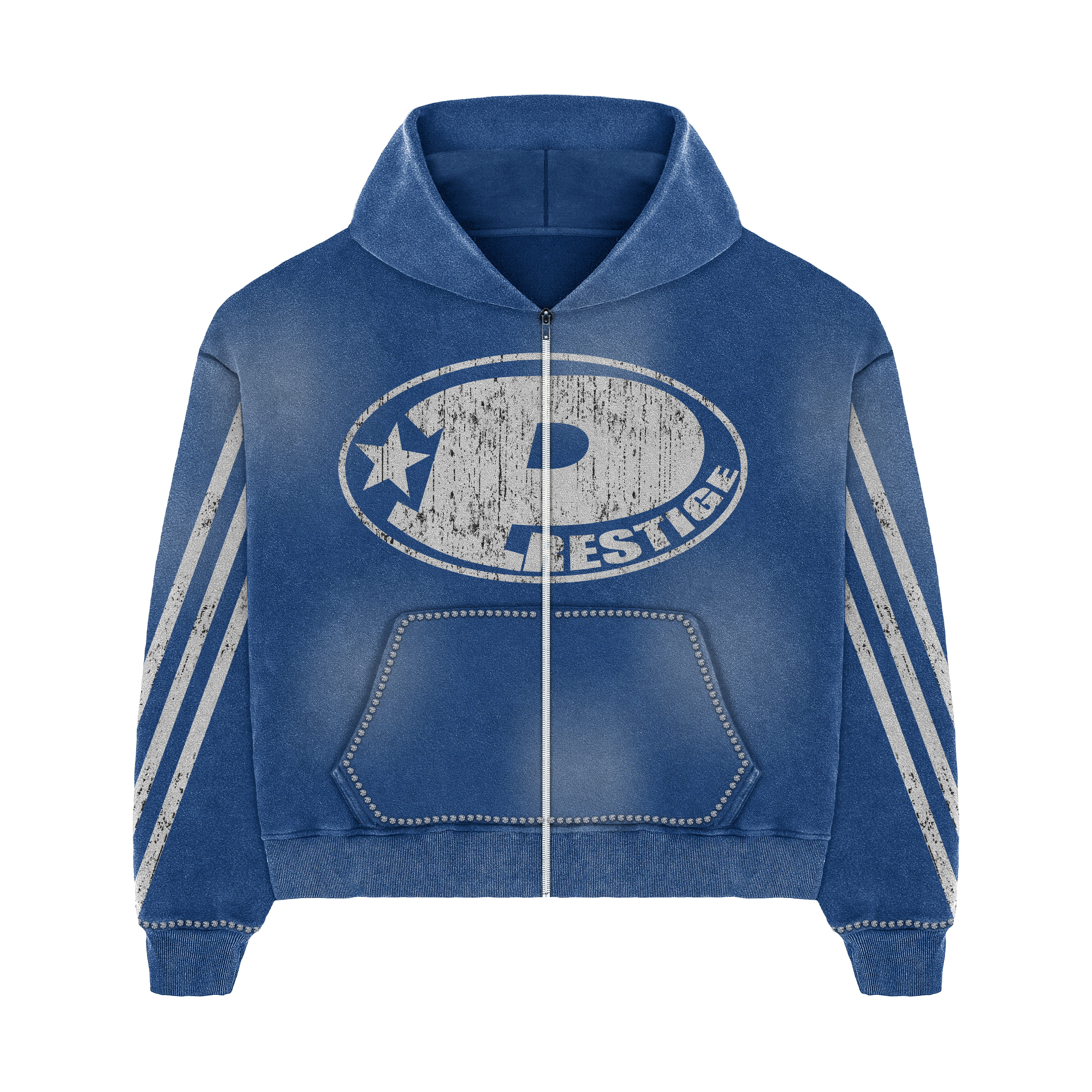
Prestige Fleece Hoodie Fabric Guide Authentic Buyer Tips

Building Layers Through Prestige: Building a Capsule Wardrobe

A pared-down rotation is only as good as the quality of its single garments, and right there is where the question of Prestige begins. Anyone who asks what is Prestige at its core will find the answer in the way each garment is designed to work with several others rather than exist in isolation as a single-look piece. That philosophy matters far more today, in 2026, than it did five years back, because storage space has gotten tighter, carry-on bags keep getting more compact, and shoppers are tired of buying items that only earn one wear a season. The Prestige collection, when assembled thoughtfully into a capsule, is built to tackle that exact issue, handing you a rotation that layers smoothly through shifting temperatures and settings. Below, we break down how to put that rotation together in practice, what you can expect from fabric and fit, and where Prestige clothing generally beats or lags behind other capsule-minded labels.

Layering isn’t simply about adding extra clothes once temperatures drop. It is a deliberate ordering — base, mid, outer — where every layer carries its own function and none of them compete in weight or fabric weight. Prestige has built its recent lines around this sequencing logic, which is why the brand keeps showing up in capsule wardrobe discussions rather than just seasonal lookbooks.

How Prestige Aligns With the Capsule Approach

A capsule wardrobe, by design, needs roughly 30 to 40 pieces that can combine into dozens of outfits, which only holds together when the pieces share a unified color story and similar weight class. Prestige clothes gravitate toward a subdued, tonal color range across most of their main collections, which means a charcoal base layer from one drop will still pair sensibly with an oatmeal knit from another. That consistency is not a coincidence; it is a intentional merchandising choice that appears season after season in the prestige collection lookbooks. Shoppers building a capsule from scratch benefit because they are not stuck matching prestige hoodie odd shades of blue or guessing whether a green will clash with last year’s jacket.

There is also a nuts-and-bolts construction argument. Layered garments have to slot into each other without piling on noticeable thickness at the shoulders, wrists, or hem, and that calls for tighter-cut seam margins and fabrics that compress rather than puff. Take the Prestige hoodie as an example: it’s shaped close enough to the frame to fit beneath a mid-weight jacket without appearing overloaded, while still leaving space for a t-shirt on colder days. Across the prestige store’s online reviews section, that three-layer stack turns out to be the most-requested pairing, and it tells you whether a brand genuinely grasps layering, or just sells colors that match.

The Foundation, Built From Four Pieces

Before variety comes a foundation that each capsule needs, and for Prestige’s lineup, that core setup tends to center on 4 groupings: a close-cut long-sleeve base layer, a mid-weight hoodie or crewneck, a structured jacket, and a pair of straight-leg trousers capable of dressing up or down. Just these four pieces can yield over twelve styling variations once sleeve-rolling, unzipping, and tucking are factored in. This is the true logic of capsule dressing — a smaller pile yielding wider range — which is why quality control on those four essentials matters far more than it does on secondary extras.

First-layer garments need to hold up through wash after wash without bobbling, since they make direct skin contact and go through the wash more frequently than outer garments. A common complaint about less rigorously constructed hoodies from rival brands is that insulating layers lose their shape after being crammed into luggage on a flight — meaning enough structure matters. Water resistance — or failing that wind resistance — is essential for outermost layers serving as the topmost piece on days of shifting conditions. A hem break at the shoe that works with sneakers or boots is essential for trousers. The advancement is visible when you compare a 2023 hoodie to what is shipping under the prestige 2027 preview line right now, since Prestige has iterated on all four of these requirements across its most recent collections.

The Way to Honestly Interpret a Prestige Review

Hardly any prestige critique agrees on fit, so that discrepancy deserves attention rather than papering over it. Some reviewers report that the brand’s slim-cut trousers feel narrow through the thigh, while others find the same pair roomy enough to wear over thermal leggings underneath in winter. That’s a standard spread for any label manufacturing at scale, and it usually points to a fit-chart issue rather than a fundamental quality problem. The real-world lesson for capsule building is to pick up the base layer and mid layer in your usual size, but to go one size larger on outerwear if you plan to bundle up underneath it.

Critiques show more agreement on fabric durability. A number of long-running write-ups covering eighteen months or more of everyday use report that the brand’s heavier cotton-blend pieces hold their shape and color better than the brand’s lighter jersey items, which is a valuable signal when deciding where to invest more per piece. If you are building a four-season capsule, it is sensible to favor the heavier pieces for pieces worn most often, like the daily hoodie or the go-to trouser, and treat lighter jersey pieces as supplementary items rather than daily-wear anchors.

Prestige Versus Other Capsule-Friendly Brands

No capsule wardrobe piece is complete without an frank look at how a brand stacks up against similar options, so here is a straightforward comparison based on publicly available specs and review consensus rather than promotional language.

Attribute Prestige Standard Fast-Fashion Capsule Line Premium Label, Heritage Edition
Color reliability across seasons Strong — tonal palette carried over across drops Weak — colors shift each season Strong but behind on refreshes
Cuts built for layering (slim seams, compressible fabric) Yes, baked into core hoodie and jacket lines Rare, cuts are usually boxy Yes, but often at higher price points
Durability as reported after 12+ months Solid on heavier cotton-blends, mixed on jersey Poor, pilling common within months Solid across most fabric weights
Size reliability Mixed reviews, size up on outerwear Inconsistent, varies by item Fairly steady
How often lines update for seasonal capsule pieces Consistent, with 2027 line already previewed Constant, low continuity Sparse, multi-year cycles

The takeaway from this table is that Prestige sits in a middle ground that suits capsule building specifically: more continuity than fast fashion, more regular refreshes than heritage labels, and layering-specific cuts that neither competitor category reliably provides. That middle position is likely why the brand keeps coming up when people search best of Prestige clothing rather than searching for a single flagship item.

Assembling Your Personal Rotation

Begin with the four-piece base covered earlier, then incorporate precisely two statement items per season instead of overhauling your whole closet. Accent pieces are where you can experiment with a daring shade or offbeat texture, since they are not doing heavy lifting like your core items are. A single statement jacket or a textured knit can refresh the whole capsule without requiring you to replace anything that is already working.

Before making replacement decisions, keep tabs on wear frequency for at least one full season. Many capsule builders discard pieces prematurely because the novelty wears off, not because the item has actually failed. If you are still wearing a Prestige hoodie twice a week after four months, that is a signal to buy a second one in a different shade rather than replace it with something new. What separates a genuinely functional capsule from a closet that only appears pared-back yet still ends up overwhelmed with pieces that never get used within a year is exactly this sort of careful tracking.

To wrap up, use the prestige store’s size guide only as an initial benchmark rather than gospel, and make sure to verify each specific garment’s listed measurements before buying several items in one size. Precision is what capsule wardrobes reward, and it starts by nailing the fit from the outset rather than cycling through returns.

Read More

SS26 Season Tee Celebrity Endorsed

Palm Angels Sweatpants Styling Ideas for Men and Women

Palm Angels sweatpants have progressed from subcultural skate culture bottoms into one of the most popular luxury streetwear garments on the market. Founded by Francesco Ragazzi in 2015, the Italian house delivers an signature blend of Los Angeles skateboard attitude and Milan couture sophistication to every pair of track pants that rolls off its production line. In 2026, Palm Angels joggers and sweatpants stay a prevailing force in the athletic-luxury conversation, with resale values averaging 40 to 60 percent above retail for limited-edition colorways. Whether you go for the iconic side-stripe track pant or the easygoing cotton fleece jogger, the brand provides both men and women a canvas for individuality that links coziness and fashion. This article covers ensemble suggestions, pairing approaches, and combination methods that will assist you squeeze the most from your Palm Angels sweatpants. From leisurely brunch ensembles to airport-ready getups, you will find hands-on inspiration that works across seasons and body types.

Why Palm Angels Sweatpants Warrant a Position in Your Rotation

The high-end streetwear market reached an projected $185 billion globally in 2025, and Palm Angels ranks firmly among the premier brands spearheading that growth. What makes Palm Angels sweatpants unique is the meticulous devotion to manufacturing details like double-stitched seams, substantial cotton blends, and signature side-panel graphics that quickly broadcast brand identity. A single pair commonly retails between $400 and $700, putting them in the attainable-premium tier where construction validates click here the investment. The Spring/Summer 2026 collection unveiled new pastel-toned joggers alongside staple black-and-white palettes for clean-aesthetic lovers and statement makers alike. Celebrities like A$AP Rocky, Hailey Bieber, and Lewis Hamilton have been seen wearing Palm Angels sweatpants in both casual and smart-casual contexts, highlighting their versatility. Comfort-wise, the French terry and brushed fleece interiors maintain the feel luxurious while the refined silhouette wards off the sloppy look that ruins cheaper alternatives.

Look Inspiration for Men: Transforming the Everyday

Relaxed Saturday Look

Open with Palm Angels iconic track pants in black featuring the signature white side stripe. Pair them with a plain oversized white T-shirt to let the pants be the focal point, and finish with Nike Air Force 1 sneakers or New Balance 550s for a crisp silhouette. Add a minimal crossbody bag from the same collection for brand consistency, or opt for a muted canvas tote for a more laid-back vibe. A breathable bomber jacket in olive or navy brings a third layer if temperatures decrease, forming a cohesive color story. Accessorize with simple chain jewelry and a neat baseball cap to complete the relaxed weekend warrior energy that leads street style feeds in 2026. This combination functions ideally for Saturday errands, coffee runs, or relaxed meetups where you want to look well-dressed without seeming overdressed.

Smart-Casual Blend

Palm Angels’ well-cut joggers with an elastic cuff pair impressively well with polished pieces for a smart-casual direction. Try a fitted black turtleneck tucked slightly into the waistband, allowing the elastic sit naturally at your waist for a streamlined profile. Replace sneakers for Chelsea boots in black leather or suede to shift the outfit toward a polished register. A fitted overcoat in camel or charcoal laid over the shoulders brings an editorial touch for gallery openings or artistic-field meetings. The essential element is maintaining the color palette controlled—no more than three tones—so the sweatpants look as considered rather than haphazard. A quality wristwatch injects crowning sophistication while the elastic waistband takes care of function without needing a belt. This outfit illustrates that premium sweatpants and polished style coexist when cuts and textures are skillfully balanced.

Streetwear Go-Big Enthusiast

For those who believe more is more, Palm Angels sweatpants provide the prime anchor for a layered streetwear look. Team logo-print joggers with a graphic hoodie and throw on a puffer vest for dimension. High-top sneakers such as Jordan 1 Retros bring the athletic theme together across the full outfit. The streetwear look in 2026 celebrates eye-catching palettes, so coupling purple sweatpants with a lime-green hoodie is perfectly valid if you rock it with self-assurance. Accessories should be correspondingly eye-catching: chunky rings, stacked chains, and head-turning sunglasses all bring to outfit impact. A snapback or bucket hat completes the headwear while protecting the sun off your face during outdoor events. This go-big style is perfect for music festivals, sneaker conventions, and any event where distinctive style is the main focus.

Look Inspiration for Women: Ease Meets Sophistication

Athleisure Sophistication

Women’s Palm Angels sweatpants in slim-fit cuts produce a flattering silhouette that combines perfectly with mid-length tops and fitted bodysuits. A textured white bodysuit tucked into high-waisted joggers offers a sharp, stretched look that flows from Pilates class to post-workout lunch flawlessly. Add platform white sneakers like Alexander McQueen Oversized trainers or Palm Angels’ own platform models to gain height and remain within the premium lane. A rigid mini handbag in cherry red or electric blue provides a pop that contrasts with the monochrome base. Dramatic hoop earrings and a polished ponytail hold focus on the outfit without cluttering overall proportion. This athleisure-forward look has evolved into one of the most captured street style ensembles at fashion weeks throughout 2026. The hack is guaranteeing every piece drapes impeccably, because athleisure sophistication depends entirely on silhouette exactness.

Soft Elegant Ensemble

Palm Angels sweatpants need not skew sporty; they can work within a more delicate, more romantic outfit when styled with the right companions. Try pairing wide-leg joggers with a silk camisole in blush or champagne for a textural contrast that appears rich and unstudied. Elegant heeled sandals or pointed-toe mules upgrade the look substantially, shifting loungewear into a date-night option. A sharp blazer draped over the shoulders forms an hourglass effect and framework to the outfit’s relaxed lower half. Subtle layered necklaces and a small bag finalize this ensemble ideally. This ensemble is excellent for rooftop dinners, art gallery visits, or any occasion where you crave comfort without sacrificing elegance. It illustrates that Palm Angels’ design language embraces looks way outside the skateboard park.

Season-by-Season Pairing Guide for Palm Angels Sweatpants

Season Suggested Fabric Upper Pairing Footwear Primary Accessory
Spring Light cotton blend Linen shirt or cropped tee Low-top sneakers Baseball cap
Summer Mesh-panel joggers Tank top or sports bra Slides or platform sandals Statement sunglasses
Autumn French terry fleece Hoodie or denim jacket High-top sneakers or boots Crossbody bag
Winter Insulated heavyweight fleece Puffer jacket or overcoat Insulated boots or chunky trainers Beanie and scarf set

Where to Purchase Authentic Palm Angels Sweatpants in 2026

Purchasing from verified retailers is the most reliable way to secure legitimate Palm Angels product. The brand’s own official website stocks the full seasonal range and regularly lists site-only online-only colorways not found at third-party shops. Department stores like Nordstrom, Selfridges, and Ssense feature curated selections at retail price with solid return policies and authentication promises. For past-season styles at marked-down prices, Farfetch matches you with boutiques worldwide and has an authentication system for further peace of mind. Resale platforms such as StockX, GOAT, and Grailed are valid options for sold-out or limited-edition pairs, though prices fluctuate based on demand. Avoid purchasing from questionable social media sellers or marketplaces without buyer protection, as the counterfeit market has surged enormously alongside the brand’s prominence. Authenticating your purchase through services like Entrupy or Legit Check brings protection easily justifying the small minor fee.

Last Words on Styling Palm Angels Sweatpants

Palm Angels sweatpants symbolize a one-of-a-kind crossroads of ease, workmanship, and cultural relevance that not many other brands achieve so dependably. Whether you pair them up with blazers and heels or remain casual with sneakers and a graphic tee, these sweatpants reward creative styling with looks that appear both authentic and aspirational. The outfit ideas above present a launching pad, but the actual magic materializes when you modify them to your unique aesthetic and day-to-day. In a fashion scene that champions individuality over blending in, owning multi-purpose Palm Angels sweatpants affords you a trustworthy foundation for dozens of unique looks. Never stop trying, continue building, and keep pushing the boundaries of what high-end streetwear can appear as on your terms. Fashion is yours alone, and the ultimate outfit is without exception the one that leaves you feel most confident.

Read More

Classic Dubai Consultants Built On Solid Design Experience

Kitchen Design in Dubai: Layouts, Materials, and Budgets

Across Dubai homes, the kitchen now stands as the hardest-working room, and a design done right rewards you daily Whether you live in a snug apartment in Business Bay or a spacious villa on Palm Jumeirah, the layout you settle on shapes how you cook, entertain, and move around What works here, and what quietly fails after a couple of summers, hinges on Dubai’s climate, building rules, and reliance on imported materials This guide is arranged in the order you really should decide things: first the layout, then the materials that survive local conditions, and lastly the money Every price below is a 2026 market estimate rather than a set price, because real numbers swing with brand, finish, and contractor By the end, you should be able to brief a designer or fit-out firm without being out of your depth

Selecting a Kitchen Layout That Suits Your Home

Layout is the decision everything else hangs on, so it warrants more thought than the shade of the cabinet fronts The right choice rests on three things: your floor area, how many people are cooking together, and whether the kitchen connects to a living space In Dubai, you will often find apartment kitchens that are narrow and closed off, while villas frequently split into a show kitchen and a separate wet https://www.interior-designers.ae/interior-design-ajman/ kitchen for heavy cooking A good designer will study your daily routine before drawing a single cabinet, mapping the route between fridge, sink, and hob known as the work triangle Getting that triangle snug but not cramped is what separates a kitchen that flows from one that drives you mad The two sub-sections below cover the layouts that crop up most in local homes

Galley and L-Shaped Layouts in Apartment Homes

Galley kitchens run two parallel banks of units along a corridor, and they are the smartest space-saver for slim apartment layouts They keep everything within arm’s reach, which fits studios and one-bedroom units in towers around Dubai Marina and Business Bay The L-shaped layout hugs two walls with counters and opens up a corner for a small table or a narrow breakfast bar Both options work well when floor area sits between roughly 60 and 120 square feet, which is common for apartment kitchens in the city Ventilation counts here because compact rooms hold onto cooking odours, so a proper ducted hood is worth prioritising over a decorative one If hosting is a regular thing, leave one run appliance-free to guarantee real working space instead of a counter piled with gadgets

Island and U-Shaped Layouts in Villa Homes

Given the space in a villa, an island or U-shaped plan comes into play, and each changes how sociable the kitchen feels A U-shape runs storage along three walls of storage and counter space, packing in the most cabinetry per square foot for serious home cooks A central block, the island can hold a second sink, a hob, or simply extra seating for family and guests Because islands need generous clearance, ideally 40 to 48 inches of walkway all round, they only work in kitchens over about 200 square feet Many Dubai villa owners combine a polished show kitchen with a separate closed wet kitchen, tucking away the smelly cooking and heavy pans If you plan to install a gas hob, account for the safety clearances and approvals early, because they affect the island’s position

Open-Plan versus Closed? The Dubai Ventilation Question

The open-plan kitchen looks stunning in listings, but it comes with a very local caveat when it comes to odours and heat With rich, aromatic cooking so common in Dubai, the aromas soak into the soft furnishings when no wall blocks them Hence why the two-kitchen model, a polished open one and a closed practical one, is now so popular in villas and larger apartments Where there is room for only one kitchen, fit a powerful ducted extractor and think carefully before knocking through to the living room AC load is a further factor, because an open kitchen pushes cooking heat into the very space your AC is battling to cool Set the social appeal of open-plan against these realities, and be honest about how and how often you actually cook at home

Materials That Survive Dubai’s Climate

Material choice is where a lot of money is made or lost, because Dubai’s heat and humidity are unforgiving Because countertops take the most abuse, engineered quartz and porcelain are now the go-to for shrugging off heat, stains, and scratches Specify moisture-resistant carcasses, because even indoor humidity can distort cheap chipboard after a few summers of constant AC cycling Fronts in matt lacquer, acrylic or PVC wear well and mask fingerprints much better than gloss in a busy family kitchen The usual floor is porcelain or large-format ceramic, which copes with spills and stays cool underfoot in a way timber never will The short list below covers the finishes that consistently hold up in local homes

  • Engineered quartz or porcelain countertops to shrug off heat, stains, and scratches.
  • Moisture-resistant board or marine-grade plywood carcasses to handle humidity.
  • Matt lacquer, acrylic, or laminate fronts that mask marks and wipe down easily.
  • Porcelain or large-format ceramic flooring instead of solid timber.
  • Stainless steel and powder-coated aluminium for sinks, handles, and fittings.
  • Soft-close hinges and quality drawer runners, which absorb the daily wear.

Kitchen Costs in Dubai in 2026

Cramming joinery, stone, plumbing, electrics, and appliances into one tight space, kitchens cost more per square foot than almost any other room Treat the numbers below as 2026 market estimates, ranges rather than quotes, because brand and finish change the totals dramatically As a rule of thumb, joinery and worktops take the biggest share of the budget, followed by appliances and then installation labour At the bespoke end you will find specialist kitchen and joinery firms such as Venezia Designs, ORA Group, and Al Banan Group, while broader fit-out contractors like Bond Interiors run their own joinery production Where you land in the table hinges on whether you buy modular units or fully custom cabinetry, and on how imported your appliances are Treat these bands as a sanity-check on any proposal, not a promise of a final invoice

Tier Apartment kitchen (2026 est.) Villa kitchen (2026 est.) Typically includes
Budget / entry-level AED 25,000–55,000 AED 40,000–90,000 Modular units, laminate fronts, quartz-look surfaces, standard appliances
Mid-tier AED 55,000–140,000 AED 100,000–250,000 Genuine quartz tops, soft-close joinery, branded appliances, upgraded hardware
Luxury / bespoke AED 150,000–350,000+ AED 300,000–800,000+ Fully custom joinery, stone island, premium imported appliances

Permits, Schedules, and Working With a Fit-Out Firm

Before any demolition starts, most Dubai buildings demand formal approvals, and skipping them can stop the job or trigger a fine Usually you will need a no-objection certificate from the building owner or management, then a fit-out permit from the relevant authority Dubai Municipality oversees most areas, while some communities and free zones fall under the Dubai Development Authority or Trakhees, and Dubai Civil Defence signs off on fire and gas safety With your drawings ready, these approvals normally take three to ten working days, so leave room for it in your timeline From strip-out to snagging, a full kitchen replacement usually takes about four to eight weeks, with bespoke joinery closer to the longer end Ask any contractor for a phased timeline in writing, confirm who lodges the permits, and keep back some payment until snagging is genuinely complete

Read More

Ways to Wear Valley Season Release cop the look

Is Vale Forever Worth It? Quality, Fit, & Where to Buy

Short answer: yes, if you prioritize premium fabrics, polished oversized silhouettes, and small-batch craftsmanship at contemporary prices. The brand’s strength lies in slow-fashion discipline, curated drops, and wearable minimalism that holds up season after season. The trade-off is you need to understand your fit and where to purchase to prevent fakes and overpaying.

Vale Forever sits at the crossroads of luxury cues and streetwear practicality, which means you receive clean lines, subdued palettes, and details that feel intentional rather than loud. Pieces aim to be wardrobe mainstays, not hype fodder, and that reflects in the construction and fabric choices. If you’re pursuing heavy logos or trend-chasing graphics, look elsewhere; if you want a uniform-level capsule that still reads modern, this path delivers. The key is fitting the cut to your body and making smart purchase selections based on release cadence.

The Label at a Glance: Identity, Positioning, and Price Range

Vale Forever embodies a contemporary streetwear label built on minimalist design, premium hand-feel, and signature oversized fits. It’s positioned above mass-market streetwear and below legacy luxury, with prices that mirror boutique production. Releases are limited, emphasizing quality and durability over churn.

The visual language is restrained: subdued color narratives, understated branding, and silhouettes aimed for timelessness rather than virality. Anticipate elevated hoodies, heavy-duty tees, relaxed trousers, and clean outerwear that layers into a unified wardrobe. Standard price ranges land in mid-to-high contemporary bracket, reflecting premium fabrics and small-batch runs. Since the brand champions slow fashion principles, you’re paying for more than just a logo—you’re paying for textile curation, fit development, and managed production. This balance of exclusivity and accessibility is why the label resonates with everyday style enthusiasts who still need boutique-level craft.

Quality You’ll Feel: Fabrics, Construction, and Durability

The core value rests on textile density, yarn quality, and careful construction details. Anticipate heavier GSM cottons, brushed interiors on fleece, tightly knit necklines, clean seam finishes, and fixtures that don’t feel generic. These decisions translate to drape, color retention, and fewer shape problems after repeated wear.

In application, this means fleeces maintain structure at the hem and cuff, tees resist baconing around the neck, and trousers hang clean rather than collapsing. You’ll additionally notice consistent dye batches and less pilling when you handle the garments correctly. here Stitching tends toward reinforced stress areas and tidy overlock finishing, which extends lifespan under real-world use. While not every piece will be artisanal-level, baseline quality positions comfortably above big-box streetwear. If you’ve moved through fast-fashion hoodies that die after ten washes, the upgrade here is instant and tangible.

Item Common Fabric/Weight Manufacturing Notes Silhouette Profile Typical Price (USD) Size Guidance
Heavy-duty Tee 200–260 GSM cotton jersey Tight collar rib, twin-needle hem Boxy, dropped shoulder 60–90 Stick to true size for boxy; go down for closer chest
Brushed Fleece Hoodie 420–500 gram cotton fleece Plush interior, double-needle at stress points Generous body and sleeve 140–220 Stay TTS for intended drape; drop size if under 5’7″
Cargo/Sweat Pant Substantial twill or nylon blend Bartacks at pockets, quality drawcords Loose, tapered or straight 130–240 Check inseam and rise; cuff works best at ankle
Denim 12–15 ounce denim Chain-stitched hems, reinforced belt loops Loose or wide straight 160–300 Verify waist flat; many styles sit on hip
Outerwear Wool blends or technical shells Fully lined, clean hardware, minimal branding Roomy, slightly cropped or longline 220–500+ Consider sleeve length; oversized shoulders are intentional

How Does Vale Forever Fit?

The label’s signature is an roomy, boxy silhouette with dropped shoulders and relaxed trousers. The aim is drape and structure without looseness, so length and proportions matter more than just chest width. Most wearers should remain at true size for the planned aesthetic.

Hoodies and tees typically run wide through the body with abbreviated lengths to avoid swampy pooling. If you’re shorter or like a tidier line, dropping one size often cleans up sleeve and torso length without crushing the chest. For pants, the rise and inseam define the aesthetic; a relaxed thigh with a subtle taper will sit clean on the shoe when the length hits the ankle bone. Outerwear usually carries broader shoulders and a boxy torso, which reads intentional when layered over heavyweight knits. If you’re sizing between options, compare garment measurements to a piece you currently love rather than defaulting to a size size.

Sizing and Measurements: Picking the Right Cut for Your Frame

Reference garment measurements, not just size tags. For tops, prioritize torso width, shoulder width, and back measurement; for bottoms, focus on waist (flat measure), rise, thigh, and length. Matching these to your body and styling preference beats estimating every time.

A fast routine saves returns: measure a beloved tee or fleece flat, record chest (pit-to-pit), shoulder width, and back length, then match to the size chart. If you like a cropped look, aim for a back measurement that hits just below the belt line; for a longer stack, add 1–2 inches. For pants, a taller rise can let you size to hip without squeezing the waist, while a slightly trimmed inseam avoids messy pooling on wider legs. Remember that thick cotton hardly shrinks if cleaned cold and air-dried, while heat-drying can shrink collars and reduce lengths marginally. If you’re thick-chested with shorter arms, a size down with a roomier fit often balances the silhouette better than adjusting the sleeves after the fact.

Worth Analysis: Cost, Wear Rate, and Resale

The label earns its keep through frequent wear rate across seasons, not just first-impression heft. When you calculate cost per wearing on a heavyweight hoodie or neutral pant that slots into various outfits, the math generally works in your favor. Secondary market is healthy but not hype-driven, which suits buyers who truly wear their clothes.

In regular use, a 450 gram hoodie or well-cut twill pant can anchor weekly rotations without declining visually for years. Because designs are minimal and muted, you won’t age out of them the way you might with hyper-trendy graphics. On secondary platforms, pieces in essential colors and staple categories maintain value best, especially in excellent condition with clean necklines and undamaged hardware. Limited capsules or special fabrics can fetch better resale, but treating the brand like some investment vehicle misses the point. The real worth is reliable, elevated basics that reduce decision fatigue and let you build a cohesive uniform.

Where to Purchase Vale Forever: Brand Direct, Retailers, and Resale

The simplest route is the label’s official site during drops, where you receive guaranteed authenticity and entire size runs at retail price. Select boutique stockists sometimes carry capsules or seasonal staples, which assists with try-ons and nearby returns. Secondary platforms are viable when you verify measurements and labels.

To catch releases, monitor the brand’s site and social channels for release dates; small-batch labels seldom give long lead times. If a local boutique stocks this brand, bring your go-to piece measurements and try adjacent sizes to perfect the silhouette. On secondary markets, use platforms with consumer protection and ask for flat measurements, inside tag photos, and macro shots of stitching and fixtures. Remain skeptical of pricing well below retail, mismatched text on care labels, sloppy neckline ribs, or inconsistent garment sizing for the stated size. If you care about warranty or exchanges, prioritize retail or official stockists over peer-to-peer listings.

Comparisons: Vale Forever vs. Fear of God Essentials, Represent, and Aimé Leon Dore

Vale Forever trends more boutique and understated than Essentials, less obviously branded than Represent, and more streetwear-focused than ALD’s Ivy-leaning tailoring. If you want quiet premium cues without preppy references or loud logos, this is the lane. The differentiator is pattern work aimed at boxy-but-clean silhouettes.

Essentials provides accessible volume and consistent fits, but fabrics and finishing are generally less elevated. Represent tends to hit heavier on branding and trend-driven graphics, with some exceptional denim; if you need logo presence, it may fill that need better. ALD delivers premium textures and refined tailoring alongside lifestyle storytelling, which trends more refined and less overtly urban. Vale Forever’s edge is in mindful fashion discipline and limited drops that prioritize fabric hand-feel and fall. It’s the choice for a minimalist street uniform that doesn’t appear basic or disposable.

Maintenance, Care, and Longevity Tips

Care is simple: wash cold, turned inside-out, and air-dry to preserve color, form, and hand-feel. Avoid high-temperature tumble cycles, which can shrink collars and compress fleece thickness. Store knits folded rather than suspended to maintain shoulder shape.

Employ a fabric brush or pill remover sparingly on surface pills, and iron with low temperature and a pressing cloth to avoid shine on cotton blends. Spot-treat technical outerwear and reproof if needed rather than washing too frequently. For denim, extend intervals between washes and reshape while damp to keep the leg line sharp. Mind hardware—zipper lubrication and careful handling extend life on jackets and pants. Treated with simple care, the pieces mature gracefully and retain their form, which is the whole point.

Final Word: Who Will Love Vale Forever—and Who Won’t

If you seek premium-feel basics with a current oversized cut, subtle branding, and small-batch credibility, this brand is worth your money. The quality delta is apparent when handled, and the fits are tuned for repeat use. If you need slim, logo-forward, or trend-reactive pieces, you’ll be better served elsewhere.

Purchasers who grasp garment measurements and sizing will extract the most value, because fit is the main differentiator here. Target core tones first—black, heather grey, stone, navy—then branch into seasonal shades or fabrics once your base is built. Buy from official channels or reliable boutiques, use dimensions on secondary markets, and avoid prices that appear too good to be real. With that strategy, you get long-life staples that appear premium every time you wear them on, and the price per wear takes care of itself.

Read More

slot thailand
